
Ah, Fall. The temperatures start cooling down, leaves begin to fall, the pumpkin spice can be found in pretty much everything, and people begin prepping for the winter months ahead. Unfortunately this is also the time of year that pests begin moving in for the winter too. Rodents and insects alike will become more prevalent during this time, and they’re set on moving in with you!
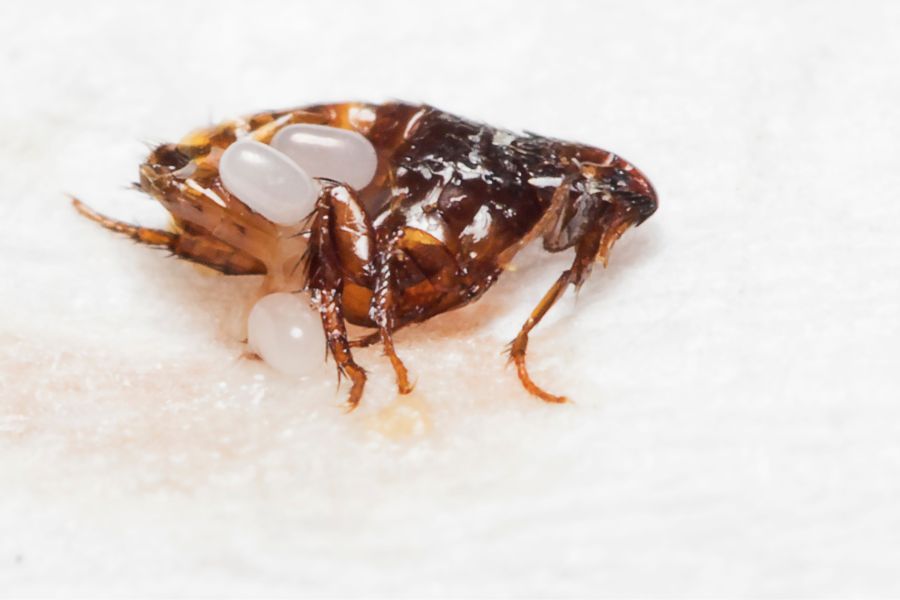
When temperatures reach 70 degrees and higher, or drop to 40 degrees or lower, one
particularly unpleasant pest will try to invade your home; fleas. And if you have any 4 legged companions, your chances of having unwanted guests this winter are even higher. Although most pet parents know to protect their “fur-babies” with regular flea prevention from the vet, what you may not know is that your pets are not the only potential carriers bringing fleas in. Rodents such as rats, mice, raccoons, and squirrels, even rabbits could be inadvertently setting you up for infestation. If the invaders happen to expire inside the home, the fleas they were carrying will seek out a new food source, putting YOU and YOUR FAMILY on the menu.
High traffic times for fleas include early spring and late summer to early fall, when rodents are on the move. Attics and chimneys are perfect for unexpected wildlife to easily access and make themselves at home, and at the same time flooding your home with fleas. Crawlspaces are especially attractive to fleas due to the lack of plant life, allowing for easy movement and ideal living conditions. Garages also offer easy access for flea infested wildlife, especially if the doors are left open for any length of time. Fleas and flea eggs can easily fall or jump from any animal that passes through these spaces, allowing an infestation to quickly take over.
According to an article in Pest Control Technology Magazine, “The mild winter and early spring have set the stage for a significant increase in flea populations. This potential surge poses a serious threat to both pets and humans, making effective flea prevention and control more critical than ever.” Zoëcon/Central Life Sciences (August, 2024).

Part of our goal is to help people understand the pest world, and help provide solutions to pest problems. The best way we have found to do this is by providing important and helpful information and tips about various pest issues and how to avoid/resolve them. With this in mind we’d like to share some information and tips on recognizing and preventing the issue to begin with.
If you have pets in your home, even if they are on regular flea and tick prevention, be on the lookout for compulsive scratching, which can result in loss of hair and skin irritations. Be sure to thoroughly check them on a regular basis for tiny, moving brown spots. For humans, flea bites usually cause small red spots around the ankles, feet, and legs, but can spread across the body if left untreated. Reactions to flea bites can include hives, rash, or secondary infections from scratching, as well as the potential for more severe reactions.
Regular cleaning of your home, especially areas your pets frequent, can help prevent major infestations. When vacuuming, be sure to empty the canister or bag each time, and immediately remove the trash bag from the home. This removes any live adults and eggs that may have been loosened during cleaning. Check any pets that spend any time outside before they re-enter the home, to ensure no eggs or live adults are being carried in. And finally, if you suspect you may have the beginnings of an infestation, call us at (937) 772-7758 for a free inspection or to get scheduled for a flea service, and protect you and your home from harmful pests this fall!
References:
Zoëcon/Central Life Sciences (August, 2024) The 2024 State of the Flea Control Market,
www.PCTonline.com.