

Oh the weather outside is frightful…. But our warm, cozy homes are oh so delightful!
Unfortunately we aren’t the only ones who think so. It’s an unpopular topic that almost all people cringe at, but we believe knowledge is power. With that in mind we are bringing to light some helpful information to better understand the “dreaded” bedbug! What?!
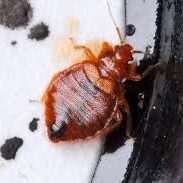
Bed bugs can be brought into your home unknowingly. Because we are now in the holiday season, with travel and hosting more than usual, it’s helpful to know and understand the life cycle, habits, and prevention methods for bed bugs. The Environmental Protection Agency (EPA), the Centers for Disease Control and Prevention (CDC), and the United States Department of Agriculture (USDA) all consider bed bugs a public health pest. Although they do not contribute directly to the spread of diseases, they can cause skin irritations and discomfort due to feeding on human hosts (Introduction to Bed Bugs | US EPA, 2024). They can be hard to spot due to their size and uncanny ability to hide, and the general lack of knowledge of what you’re looking for.
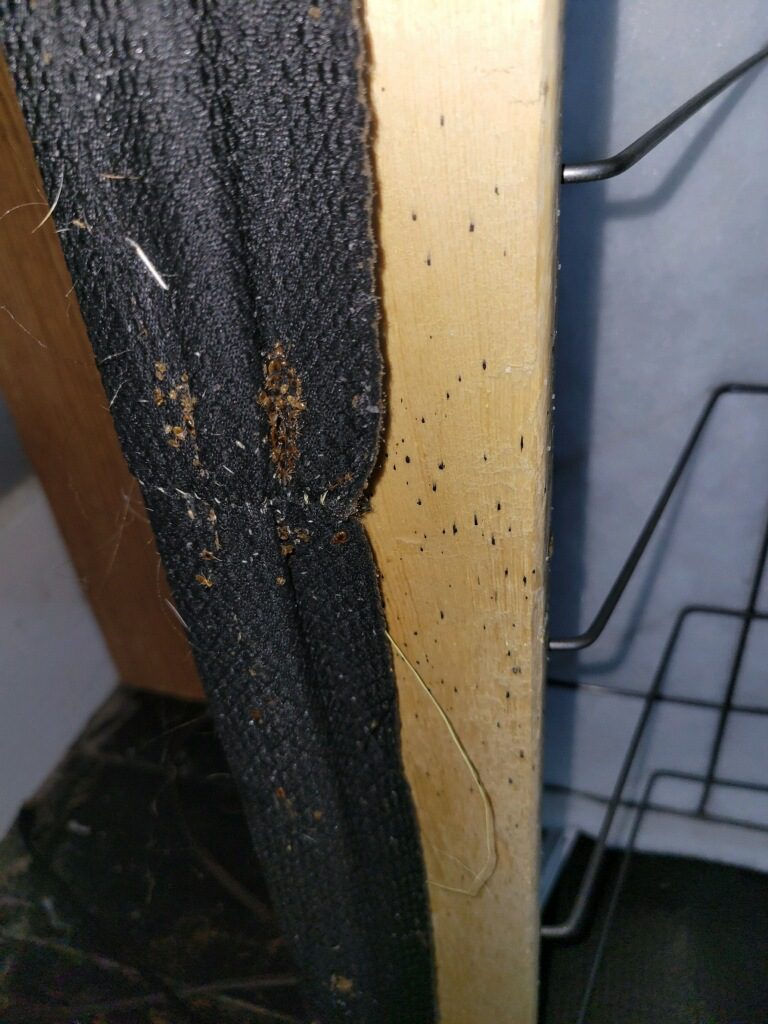
How do you know if you have bed bugs? First, if you suspect you have bed bugs, don’t panic. It is not an indication of the cleanliness of your home, personal hygiene, or the like. Most people assume bites on the skin are definitive indications of bedbug presence, however that is not the case. Bites can be caused by a number of different pests and should not be the only indicator. Instead, when cleaning, changing bedding, or staying away from home, look for:
● Rusty or reddish stains on bed sheets or mattresses caused by bed bugs being
crushed.
● Dark spots (about this size: •), which are bed bug excrement and may bleed on the
fabric like a marker would.
● Eggs and eggshells, which are tiny (about 1mm) and pale yellow skins that nymphs
shed as they grow larger.
● Live bed bugs.

When not feeding, bed bugs hide in a variety of places. Around the bed, they can be found near the piping, seams and tags of the mattress and box spring, and in cracks on the bed frame and headboard.
If the room is heavily infested, you may find bed bugs:
● In the seams of chairs and couches, between cushions, in the folds of curtains.
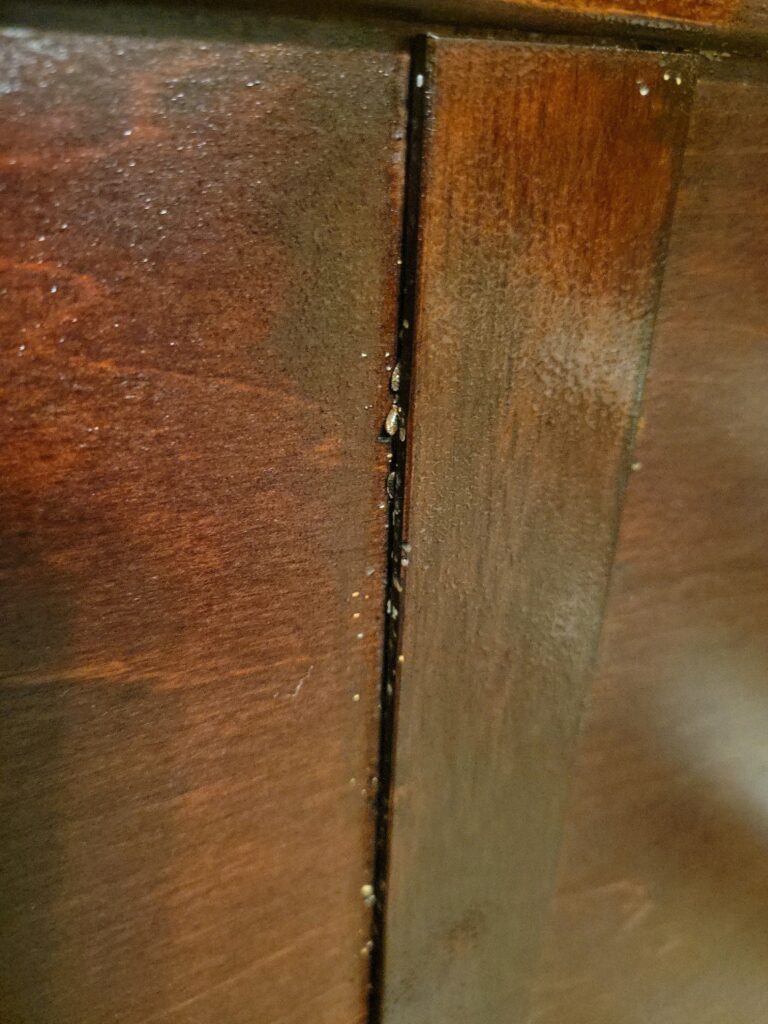
● In drawer joints.
● In electrical receptacles and appliances.
● Under loose wallpaper and wall hangings.
● At the junction where the wall and the ceiling meet.
● Even in the head of a screw.
So what do you need to know about bedbugs? Experts believe the recent increase in bed bugs in the United States may be due to more travel, lack of knowledge about preventing infestations, increased resistance of bed bugs to pesticides, and ineffective pest control practices (Introduction to Bed Bugs | US EPA, 2024). Understanding the behavior of bed bugs (how they eat, live, and reproduce) will help you to find an infestation before it becomes established and to monitor for the presence of bed bugs after your home has been treated.
Feeding:
● Appear to prefer to feed on humans, but will feed on other mammals and birds as well.
● Will readily travel 5-20 feet from established hiding places (called harborage) to feed on a host.
● Even though they are primarily active at night, if hungry they will seek hosts in full
daylight, and feeding can take 3-12 minutes.
● The rusty or tarry spots found on bed sheets or in bug hiding places are because 20% of the time adults and large nymphs will void remains of earlier blood meals while still
feeding.
Life stages/mating:
● Bed bugs need at least one blood meal before the individual bug can develop to the next of the six life stages, and they can feed more than once.
● To continue to mate and produce eggs, both males and females must feed at least once every 14 days.
● Each female may lay 1 to 3 eggs per day and 200-500 eggs per her lifetime (6-12
months but could be longer).
● Egg-to-egg life cycle may take four to five weeks under favorable conditions.
Living conditions:
● Bed bugs can survive and remain active at temperatures as low as 7°C (46°F), but they die when their body temperatures reach 45°C (113°F).
● Common bed bugs are found almost anywhere their host can live.
Now that you have a better understanding of bed bugs and their life cycles, here are a few ways to help protect your home and family throughout the holiday season. The EPA recommends the following (Introduction to Bed Bugs | US EPA, 2024):
● Inspect the luggage rack in your hotel room for bed bugs.
● Check second hand furniture, beds and couches for any signs of bed bug infestation
before bringing them home.
● Use a protective cover that encases mattresses and box springs to eliminate many hiding spots. The light color of the encasement makes bed bugs easier to see. Be sure to purchase a high quality encasement that will resist tearing and check the encasement regularly for holes or a cover that has been pre-treated with pesticide to control bed bugs.
● Reduce clutter in your home to reduce hiding places for bed bugs.
● Vacuum frequently to remove any successful hitchhikers.
● Be vigilant when using shared laundry facilities. Transport items to be washed in plastic bags (if you have an active infestation, use a new bag for the journey home). Remove from the dryer directly into the bag and fold at home. (A dryer on high heat can kill bed bugs.)
If you live in a multi-family home, try to isolate your unit by:
● Installing door sweeps on the bottom of doors to discourage movement into hallways.
● Sealing cracks and crevices around baseboards, light sockets, etc., to discourage
movement through wall voids.
If you think you may be dealing with a bed bug infestation it is best to get it treated as soon as possible to avoid transmission or increased presence. Call or text our office for a quote, and get scheduled as soon as possible. The longer you wait the worse the infestation will get. Effective treatment is available, and can take time. Don’t delay, call today!
References:
Introduction to bed bugs | US EPA. (2024, September 16). US EPA.
https://www.epa.gov/bedbugs/introduction-bed-bugs